4.7⭐⭐⭐⭐⭐ 4.7 out of 5 stars (1,544)
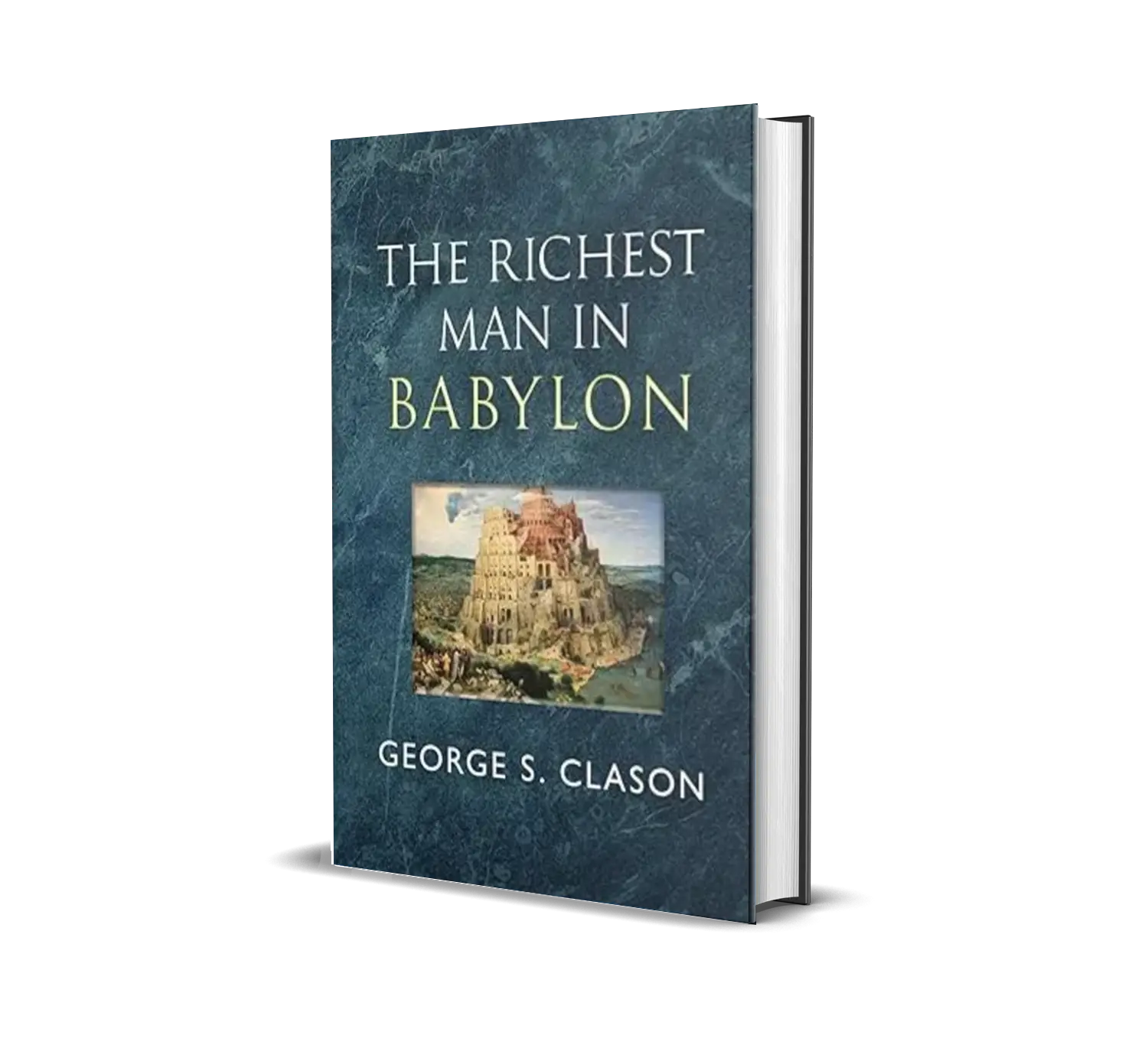
"The Richest Man in Babylon": The Original 1926 Classic (Reader's Library Classics)
Summary
"The Richest Man in Babylon," written by George S. Clason in 1926, is a foundational work of personal finance literature that presents its lessons through a series of parables set in the ancient, wealthy city of Babylon. Unlike a dry financial textbook, it uses engaging stories of merchants, scribes, chariot builders, and the titular richest man, Arkad, to impart timeless wisdom.
The book's central thesis is that financial prosperity is achievable for anyone, regardless of their income, through the consistent application of simple, universal laws of money. It argues that wealth is not a product of luck, inheritance, or extraordinary intelligence, but rather the direct result of specific habits and disciplines that anyone can learn. The city of Babylon itself serves as a metaphor—once a barren desert, it became the richest city in the world not by resources, but by applying sound principles of irrigation and walls. Similarly, the book teaches individuals how to build their own "financial walls" and "irrigate" their wealth.
The narrative is structured around two groups of people: those who struggle with money despite working hard, and the wealthy who understand its laws. The core of the book is dedicated to explaining the "Seven Cures for a Lean Purse," a step-by-step formula given by Arkad to his fellow citizens, and the "Five Laws of Gold," which explain the fundamental behavior of money itself. The genius of the book lies in its simplicity and emphasis on actionable, behavioral change over complex investment strategies. It establishes that the journey to wealth begins with mastering one's own habits—saving, spending wisely, and seeking knowledge—before one can successfully command capital.
7+5 Key Lessons (Expanded and Detailed)
Part 1: The Seven Cures for a Lean Purse (The Action Plan)
Start Thy Purse to Fattening: Save at Least 10% of Your Earnings.
The Rule: "For every ten coins thou placest within thy purse, take out for use but nine."
The Detail: This is the principle of "Paying Yourself First." Before you pay your bills, your rent, or your entertainment expenses, you must first divert a minimum of 10% of all you earn into your savings. This act is not about depriving yourself, but about prioritizing your future self. It transforms saving from a residual activity (what's left over) into a primary one. This is the foundational habit upon which all other wealth is built.
Control Thy Expenditures: Live Within Your Means.
The Rule: "Budget thy expenses... without spending more than nine-tenths of thy earnings."
The Detail: As your income grows, so will your desires and temptations. This cure is a warning against lifestyle inflation. You must create a budget that accounts for your necessities and allows for enjoyment, but strictly within the 90% of your income that remains after saving. It forces you to distinguish between essential needs and superfluous wants, ensuring your outgo never exceeds your income.
Make Thy Gold Multiply: Invest Your Savings Wisely.
The Rule: "Put each coin to laboring that it may reproduce its kind."
The Detail: Money saved is inert; money invested is alive and working. This lesson teaches that your accumulated savings must be put to work generating more money—this is the core of wealth creation. The "offspring" of your gold (interest, dividends, rental income) will themselves produce more offspring, creating a snowball effect known today as compound interest.
Guard Thy Treasures from Loss: Protect Your Principal.
The Rule: "Guard thy treasure from loss by investing only where thy principal is safe."
The Detail: This is a critical warning against risky and speculative investments. The first rule of investing is the preservation of your capital. Before seeking high returns, you must ensure your initial investment is secure. The book advises seeking the counsel of experienced and wise financial advisors and avoiding investments you do not fully understand or that promise unrealistic returns.
Make of Thy Dwelling a Profitable Investment: Own Your Home.
The Rule: "Own thy own home."
The Detail: Rent is a permanent expense that builds someone else's equity. By owning your home, you convert a recurring expense into a form of forced savings and a tangible asset. The money you pay for your mortgage builds your own wealth, and you eventually eliminate a major life expense.
Insure a Future Income: Plan for Retirement and Protect Your Family.
The Rule: "Provide in advance for the needs of thy growing age and the protection of thy family."
The Detail: This principle underscores the importance of long-term planning. It means building an estate large enough to support you and your family when you are no longer able to work. In a modern context, this translates to contributing to retirement accounts (like 401(k)s or IRAs) and having adequate life insurance.
Increase Thy Ability to Earn: Cultivate Your Skills and Knowledge.
The Rule: "Cultivate thy own powers, study and become wiser, become more skillful."
The Detail: The most valuable asset you possess is your own earning power. This lesson encourages continuous self-improvement. By becoming better at your craft, gaining new knowledge, and acting with diligence, you increase your value to the marketplace. A higher income, when combined with the first six cures, dramatically accelerates your journey to wealth.
Part 2: The Five Laws of Gold (The Philosophical Framework)
These laws, given on a clay tablet, explain the fundamental nature of money itself.
Gold comes gladly to any man who puts aside at least one-tenth of his earnings. (The Law of Saving)
Gold labors diligently and multiplies for the wise owner who finds it profitable employment. (The Law of Investment)
Gold clings to the cautious owner who invests under the advice of wise men. (The Law of Prudence)
Gold slips away from the man who invests in businesses he does not understand or that are not approved by experts. (The Law of Avoiding Speculation)
Gold flees the man who forces it to impossible earnings or who follows the advice of tricksters. (The Law of Avoiding Get-Rich-Quick Schemes)
In its entirety, the book provides a complete and timeless system: a behavioral framework for the individual (the Seven Cures) and a philosophical understanding of capital itself (the Five Laws).
See the Video of This Amazon KDP Best Sller Book Here: https://youtu.be/Spd84PDtwjE
About the Author
George Samuel Clason (1874-1957) wasn't your typical finance guru. He was a successful businessman, publisher, and entrepreneur who founded the Clason Map Company, which became the pioneer in publishing road maps for the emerging automobile industry. His company was eventually acquired by Rand McNally, making Clason quite wealthy in his own right.
What makes Clason unique is that he lived through multiple economic cycles - from the prosperity of the early 1900s through the Great Depression - giving him real-world perspective on what financial principles actually endure through good times and bad. His decision to present financial wisdom through ancient Babylonian parables wasn't just creative storytelling; it was his way of showing that wealth-building fundamentals are truly timeless.
Before writing this book, Clason had already proven his business acumen and understood what it took to build lasting wealth. This isn't theory from an academic - it's practical wisdom from someone who actually walked the walk.

Key Takeaways: The Core Wealth-Building Principles
1. Start Thy Purse to Fattening (Pay Yourself First)
The book's most famous principle is deceptively simple: save at least 10% of everything you earn before spending on anything else. Clason presents this through the story of Arkad, the richest man in Babylon, who learned this rule as a young scribe.
How to Apply This Today: Set up automatic transfers to move 10% (or whatever percentage you can manage) of your income to savings immediately when you get paid. Don't wait until the end of the month to save what's left - there won't be anything left. This principle forms the foundation of every other wealth-building strategy in the book.
Why It Works: This isn't just about the money you save - it's about developing the mindset of someone who controls their finances rather than being controlled by them. When you consistently pay yourself first, you begin to see opportunities and make decisions differently.
2. Control Thy Expenditures (Live Below Your Means)
Clason argues that it's not how much you earn that determines wealth, but how much you keep. The book teaches that desires will always expand to match income unless you consciously control them.
How to Apply This Today: Create a detailed budget and identify the difference between "needs" and "wants." Challenge yourself to find ways to reduce expenses without significantly impacting your quality of life. The goal isn't to live miserably, but to be intentional about every dollar.
The Modern Twist: In Clason's time, the temptations were simpler. Today, we face subscription services, impulse online shopping, and sophisticated marketing designed to separate us from our money. The principle is more relevant than ever.
3. Make Thy Gold Multiply (Invest Wisely)
Simply saving money isn't enough - inflation will erode its value over time. The book emphasizes putting your money to work through wise investments that generate ongoing returns.
How to Apply This Today: Once you've built an emergency fund, start investing in diversified index funds, real estate, or other assets that have historically outpaced inflation. The key is to start early and be consistent, even if you can only invest small amounts initially.
Clason's Timeless Warning: Be wary of get-rich-quick schemes or investments you don't understand. The book shares cautionary tales of people who lost their wealth chasing unrealistic returns or trusting the wrong advisors.
4. Guard Thy Treasures from Loss (Protect Your Wealth)
This principle focuses on preservation as much as accumulation. Clason emphasizes the importance of insurance, diversification, and avoiding unnecessary risks.
How to Apply This Today: Get appropriate insurance coverage (health, disability, life), don't put all your investments in one basket, and be skeptical of anyone promising guaranteed high returns. The goal is steady, sustainable growth rather than gambling with your financial future.
5. Make of Thy Dwelling a Profitable Investment
Rather than viewing your home as just an expense, Clason advocates for homeownership as a wealth-building tool when done wisely.
Modern Application: While the housing market has changed dramatically since 1926, the principle still holds - building equity in real estate can be part of a wealth-building strategy. However, this needs to be balanced against your local market conditions, personal circumstances, and other investment opportunities.

FAQ Section
Is "The Richest Man in Babylon" suitable for complete beginners?
Absolutely! This is one of the best starting points for anyone new to personal finance. Clason deliberately wrote in simple parables that anyone can understand, regardless of their financial background or education level. The principles are foundational rather than complex, making it perfect for building a solid financial mindset.
How is this book different from modern financial advice books?
While many contemporary finance books focus on specific tactics, investment strategies, or get-rich-quick schemes, "The Richest Man in Babylon" concentrates on timeless principles that work regardless of economic conditions. It's less about hot tips and more about developing the character traits and habits that wealthy people consistently demonstrate. This focus on fundamentals is what has kept it relevant for nearly 100 years.
Is the advice still relevant in today's digital economy?
The core principles are absolutely relevant, though the applications have evolved. For example, "paying yourself first" is easier than ever with automatic transfers and apps, while "making your gold multiply" might involve index funds and REITs rather than lending to merchants. The psychological and behavioral aspects of wealth-building haven't changed - if anything, they're more important in our age of instant gratification and easy credit.
What is the main idea of The Richest Man in Babylon?
The main idea of "The Richest Man in Babylon" is both simple and profound:
Financial prosperity is not a matter of luck, intelligence, or your starting point in life, but the direct result of following timeless, universal rules of money management.
The book, through a series of parables set in ancient Babylon, argues that wealth is built not from high income alone, but from disciplined habits that anyone can learn and apply. The core philosophy can be broken down into these essential points:
Pay Yourself First: This is the foundational rule. Save at least 10% of everything you earn before you pay any other expenses. This act of paying your future self is non-negotiable.
Live Within Your Means: Control your expenditures. A budget is essential to ensure you are not spending more than you earn, allowing your savings to grow.
Put Your Money to Work: Your savings must not sit idle. Invest your savings wisely so that it generates more income (through interest, dividends, etc.), creating a cycle where your money earns money for you.
Seek Knowledge and Preserve Capital: The key to successful investing is to protect your principal from loss. Avoid get-rich-quick schemes and seek advice from those skilled in handling money. Continuously improve your own skills to increase your earning power.
In essence, the book teaches that the "secret" to wealth is a system of consistent saving, prudent investing, and disciplined spending. It shifts the focus from how much you earn to how you manage, save, and grow what you earn. It’s a blueprint for achieving financial freedom through personal responsibility and fundamental principles.
Want the key takeaways, FAQs, and full proposal from a top business book? Get the complete summary and elevate your skills. Click here."
Target Audience
This book is perfect for:
Complete beginners who feel overwhelmed by financial advice
Young professionals starting their careers who want to build wealth from day one
Anyone struggling with spending control or living paycheck to paycheck
People who prefer simple, actionable principles over complex financial strategies
Readers who enjoy learning through stories rather than dry textbooks
This book might not be ideal for:
Advanced investors looking for specific investment strategies or technical analysis
People seeking detailed tax optimization or estate planning advice
Readers who prefer data-heavy, research-based financial books
Related: The Coaching Habit Review: How Michael Bungay Stanier's 7 Questions Transform Any Leader into a Master Coach
Pros and Cons
Pros:
Timeless wisdom: The principles have worked for nearly 100 years and will likely work for 100 more
Easy to understand: Written in engaging parables that make complex concepts simple
Practical and actionable: Every principle can be implemented immediately
Short and focused: Can be read in a few hours, unlike many lengthy financial books
Mindset-changing: Shifts your perspective on money and wealth-building fundamentals
Cons:
Limited specific tactics: Doesn't provide detailed investment advice or modern financial instruments
Dated language: Some readers might find the biblical/ancient style off-putting
Oversimplified: Complex financial situations might require more nuanced approaches than the basic principles provide
"This feeling of recognizing your priorities is precious. Make this feeling a daily habit. Make the book your guide and buy it now."
Final Verdict
"The Richest Man in Babylon" earns its reputation as a classic for good reason. While it won't teach you about cryptocurrency or modern investment vehicles, it will give you something more valuable: the fundamental mindset and habits that separate wealth-builders from wealth-wishers.
If you're looking for your first personal finance book, struggling to get your financial house in order, or want to return to the basics after being overwhelmed by conflicting advice, this is an excellent choice. The principles are simple enough to remember and powerful enough to transform your financial future if you actually apply them.
Who should definitely buy it? Anyone who wants to build wealth but has been paralyzed by the complexity of modern financial advice. Sometimes the best path forward is the simplest one, and Clason's ancient wisdom provides exactly that.
Rating: 4.5/5 stars - A timeless classic that delivers on its promises, with the only drawback being its lack of specific modern applications.
Tags:
The Richest Man in Babylon review
George S. Clason book review
Personal finance books 2025
Wealth building principles
Financial literacy classics
Best money books beginners
Ancient financial wisdom
Babylonian wealth secrets
Pay yourself first principle
Timeless investment advice
Financial independence books
Money management classics